
Meanwhile, brands can't ignore what shoppers want anymore. Many businesses struggle with a simple tension: customers expect sustainable packaging, but budgets and supply chains don't always cooperate.
Eco-friendly packaging isn't just about swapping materials. It's design, multi-use function, and honest communication working together. This guide covers why it matters, which materials actually hold up, creative examples worth stealing, and how to choose the right approach for your brand.
Key Takeaways
- US consumers rank recyclability above recycled content and compostability
- Seven US states now enforce Extended Producer Responsibility laws for packaging
- Compostable materials only work if local infrastructure supports them
- Vague "eco-friendly" claims invite legal pushback and erode buyer trust
- The right material depends on product fragility first, branding second
Why Eco-Friendly Packaging Matters Right Now
Sustainability is now a purchasing filter, not an optional brand extra.
In McKinsey's March 2025 survey of US consumers, 77% rated recyclability as extremely or very important when evaluating packaging sustainability, though price and convenience still outrank it overall.
Almost 70% of respondents believe brand owners—not consumers—should carry the responsibility for sustainable packaging (McKinsey, 2025).
That expectation is turning into law.
Regulation Is Catching Up
Seven states now have enacted Extended Producer Responsibility (EPR) programs for packaging:
- California
- Colorado
- Maine
- Maryland
- Minnesota
- Oregon
- Washington
California's SB 54 requires covered packaging sold in the state to be recyclable or compostable. Minnesota's 2024 law works similarly, with a producer responsibility organization managing compliance.
Sustainable packaging is shifting from a marketing choice to a legal requirement in a growing number of states.
What's Trending Heading Into 2026
- Right-sizing packaging to cut material and shipping weight
- Verified recycled content over vague "eco" language
- Damage prevention as a sustainability metric (less waste from returns)
- Conditional compostables — useful only where industrial composting exists
- Circularity — designing for reuse before recycling

None of this replaces the basics: protect the product first, then optimize the material.
Eco-Friendly Packaging Materials to Consider
Material choice is where most brands get stuck. Here's what actually works, and where the hype outpaces the evidence.
Recycled and Certified Paper
Paper and paperboard remain the most successfully recycled packaging category in the US. Corrugated boxes hit a 96.5% recycling rate in 2018, one of the highest of any material stream (EPA).
Look for FSC or SFI certification, which verifies the chain of custody from forest to finished box. GIVR Packaging, for example, sources materials that are SFI- or FSC-certified, or both, and offers folding cartons in Coated Recycled Board — a 100% recycled option.
Compostable and Biodegradable Materials
PLA, PBAT, bagasse, and mushroom mycelium all show up in cushioning and mailer applications. But here's the catch: bio-based doesn't mean compostable, and compostable doesn't mean your city can process it.
- PLA: low-carbon polymer used in compostable foodservice items
- PBAT films: certified compostable, but only in matching industrial or home systems
- Bagasse/molded fiber: works for lids, plates, and protective trays
- Mycelium: fungal-based cushioning, home-compostable in some product lines
Before you commit to any of these, confirm local composting access. Otherwise, "compostable" packaging just becomes landfill with better marketing.

Plant-Based Alternatives to Plastic Bags
The most eco-friendly plastic bag alternatives generally fall into three categories:
- Compostable bio-poly mailers — certified under industrial or home composting standards
- Paper mailers and bags — widely recyclable, no certification ambiguity
- Reusable cloth totes — best for retail, not shipping
Not all "plant-based" bags are automatically compostable. Check the specific certification (ASTM D6400 or D6868) rather than trusting the label alone.
Protective Foam Alternatives
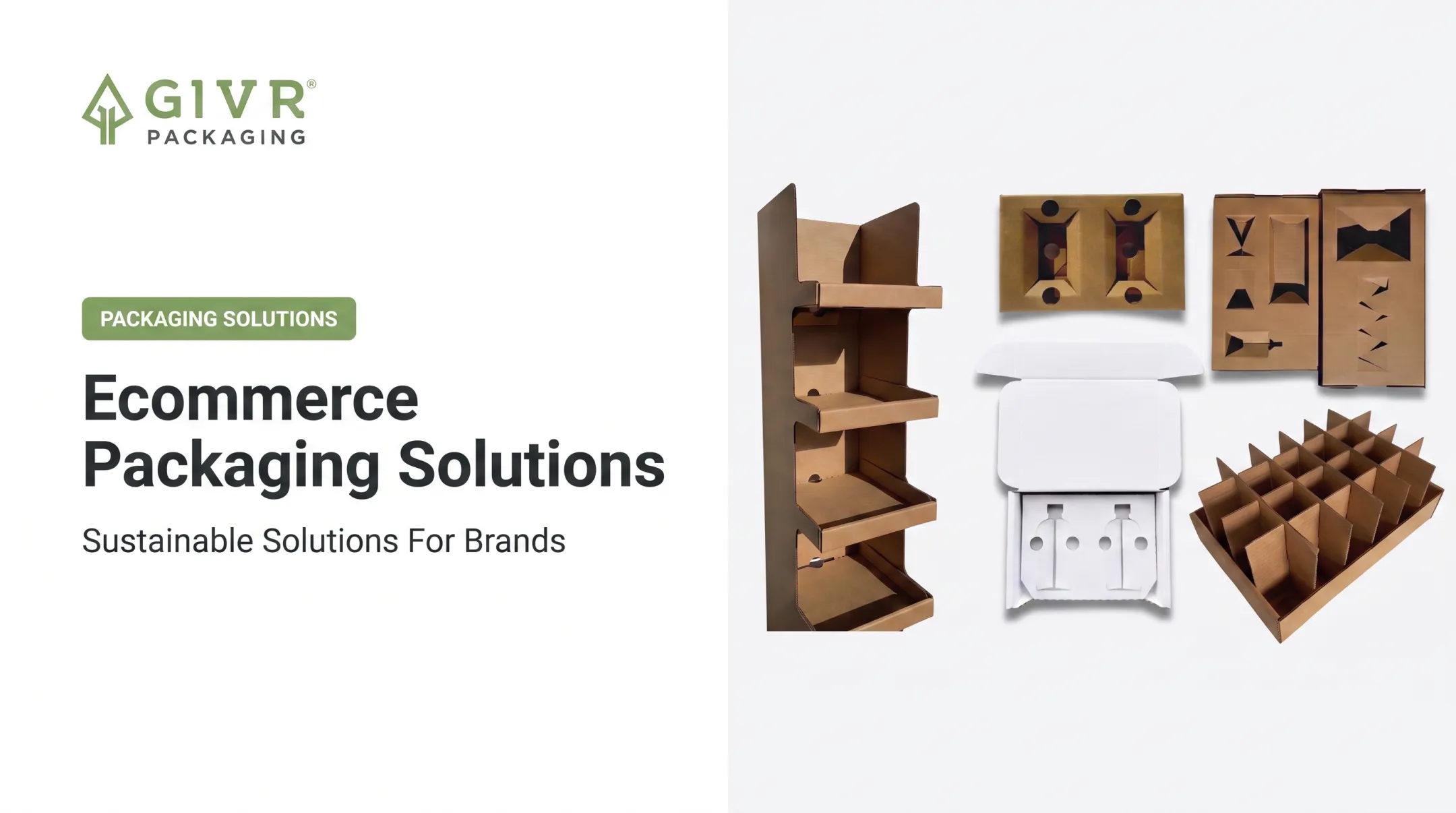
Skip polystyrene and standard plastic bubble wrap when you can. Paper-based cushioning, molded fiber, and custom structural inserts protect products in transit without adding hard-to-recycle foam to the waste stream.
GIVR Packaging focuses on those routes—custom inserts, paper cushioning, and 100% recyclable materials—and partners with tree-planting organizations on fully circular shipping and retail packaging. That work is tied to a reported 303,832 trees planted, estimated to absorb over 14.5 million pounds of CO₂ annually.

When you weigh materials, prioritize what your customers can actually recycle or compost locally, then layer in certified fiber and right-sized structure so protection does not depend on plastic foam.
Creative and Multi-Use Eco-Friendly Packaging Examples
Great sustainable packaging often does double duty. Here are examples worth studying.
Multi-Use Design
PUMA's Clever Little Bag is the textbook case. The cardboard-and-cloth hybrid used 65% less cardboard than a standard shoebox and replaced the plastic retail bag entirely, according to the design case study. Customers got a reusable tote out of the deal.
Minimalist Branding
Less print, less ink, less waste. Recycled kraft mailers with single-color branding now show up across subscription boxes, skincare, and other DTC categories. It signals sustainability without a single sustainability claim printed on the box.
Retail-Ready Displays
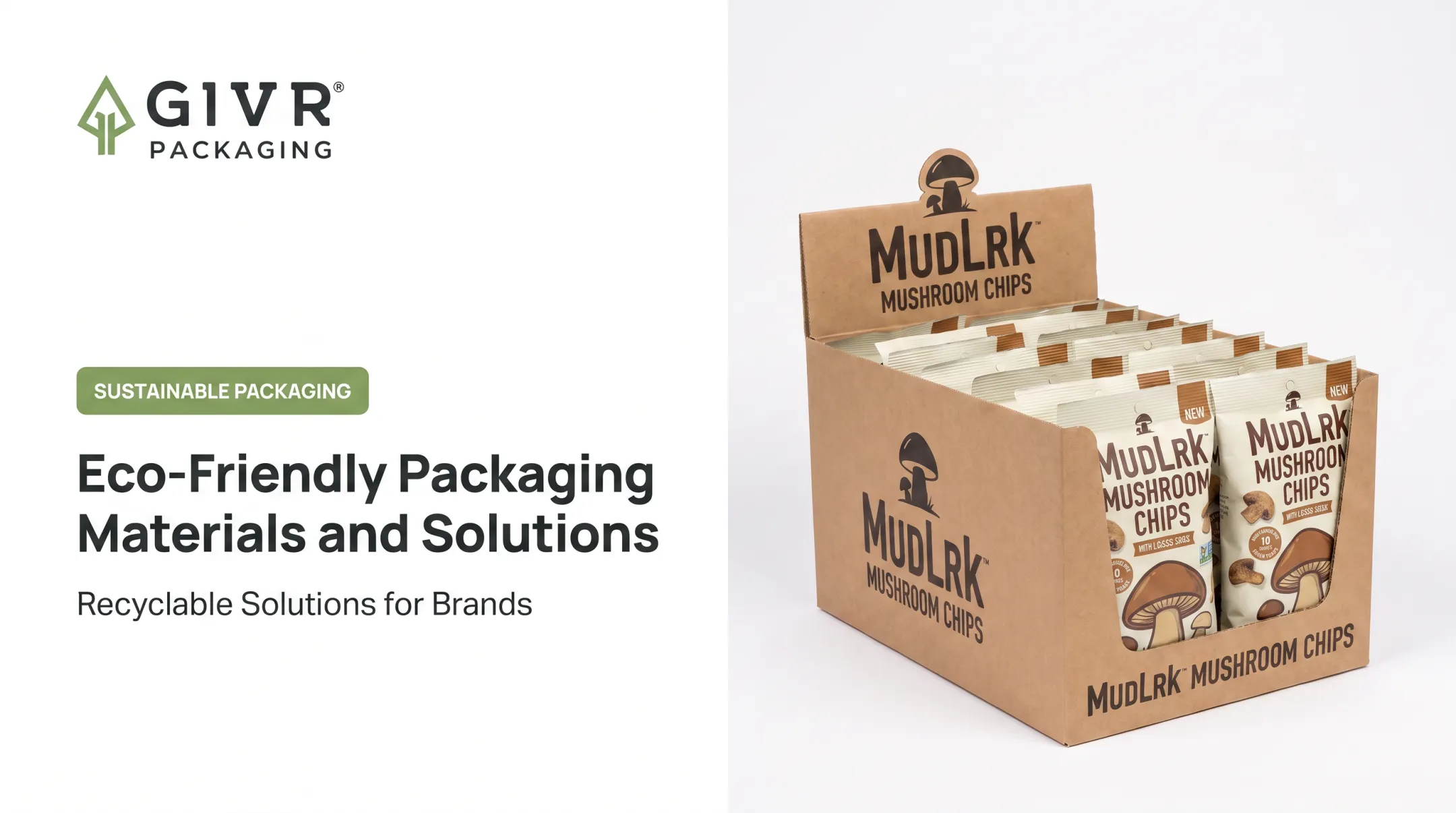
Shelf-ready corrugated packaging moves straight from delivery truck to store shelf with tool-free opening and no repacking or extra materials. That keeps merchandising fast and cuts the secondary packaging most retail products still rely on—the same shelf-ready corrugated approach custom packaging partners build for brands entering retail.
Beverage Industry Shifts
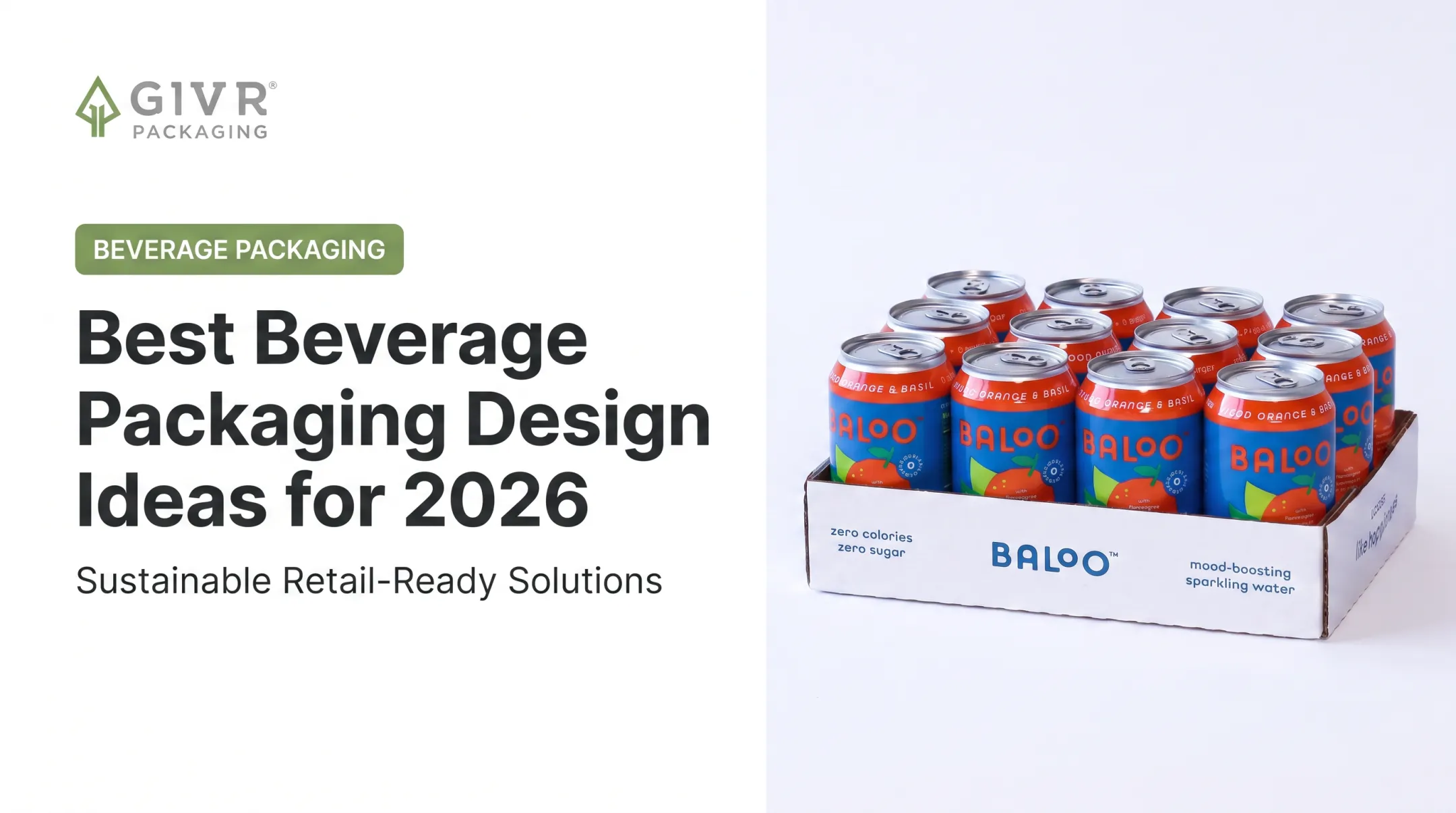
PepsiCo announced a move toward recyclable paperboard wraps and clips to eliminate plastic rings on multipacks in the US, phased in regionally. Graphic Packaging has documented similar work replacing plastic rings with paperboard clips for beverage brands.
Plantable and Reusable Concepts
Seed-embedded boxes and reusable pouches make strong brand stories. Pangea Organics famously used molded-fiber boxes with seeds customers could plant, then discontinued the program after 10 years because of cost. Innovative packaging still has to pencil out financially.

Choosing the Right Eco-Friendly Packaging for Your Brand
There's no single best eco-friendly material. The right pick depends on how your product ships, what it costs to protect, and how you want the brand to show up.
Match packaging to these factors:
- Product fragility and what must survive transit undamaged
- Shipping channel (parcel carriers vs. retail distribution)
- Budget, since sustainable materials often cost more upfront
- Brand identity: minimalist kraft reads differently than glossy retail packs
A Simple Selection Checklist
- Protection first. A recyclable box that arrives crushed helps no one, so test against real shipping conditions.
- Material simplicity second. Fewer material types usually mean easier recycling and lower cost.
- Design and branding last. Once protection and materials are set, refine shelf appeal and the unboxing experience.

Industry research consistently points to affordability, performance, and supply access—not lack of interest—as the top barriers brands face when adopting sustainable packaging.
A packaging partner can close those gaps. GIVR Packaging works with emerging beverage brands, e-commerce startups, and scaling CPG companies through a free packaging audit that reviews damage rates, waste, and cost before recommending structural changes.
The process includes prototyping and die-line review, so you are not guessing whether a new format will hold up in transit.
Avoiding Greenwashing: How to Communicate Sustainability Honestly
Vague claims backfire. The FTC's Green Guides specifically warn against broad, unqualified "eco-friendly" or "green" labels without evidence behind them.
Specific claims that hold up:
- "Made with 100% recycled Coated Recycled Board"
- "SFI- or FSC-certified materials"
- "Certified compostable under ASTM D6400"
Unsupported language creates the opposite problem.
Claims that create risk:
- "Eco-friendly" (no definition)
- "Green packaging" (no evidence)
- "Biodegradable" without disposal conditions
An unqualified degradable claim requires proof the entire package breaks down within a year in normal disposal conditions. Landfill and incineration don't count.
A practical fix: Print simple disposal instructions directly on the packaging. "Recycle curbside" or "Compostable in industrial facilities only" does more for consumer trust than any marketing adjective.
Frequently Asked Questions
What is the most eco-friendly packaging?
There's no single winner. Recycled paper and cardboard, plus certified compostable materials, generally top the list because of accessibility and existing recycling infrastructure.
What is the most eco-friendly alternative to plastic bags?
Paper bags, kraft mailers, and reusable cloth totes are the leading alternatives. Choose based on whether the item ships once or gets reused in-store.
What is sustainable packaging, and what are five examples?
Sustainable packaging minimizes environmental impact through material choice, design, and end-of-life planning. Examples: recycled cardboard, compostable mailers, bagasse containers, reusable totes, and plantable packaging.
What are the key trends in sustainable packaging for 2026?
Compostable mailers, verified recycled-content transparency, right-sizing, and minimalist design lead the trend list. Circularity and damage-prevention metrics are gaining traction too.
What are the 7 types of packaging with examples?
Primary (a can), secondary (a multipack), tertiary (pallet wrap), retail (shelf-ready cartons), protective (molded-fiber or paper inserts), POP displays (shelf toppers), and mailers (shippable envelopes).
What are the 7 basic steps to packaging design?
Research, structural design, prototyping, material selection, branding, testing, and production. Each step feeds into the next — skipping prototyping is where most damage-related returns start.