
Consumers are pushing just as hard. Brands face a real problem, though: too many material options and not enough clarity. Recyclable, biodegradable, compostable — each term means something different, and picking wrong can hurt your budget or your brand.
This guide breaks down the material categories, shows real examples, and walks through how to choose (and where to source) packaging that actually fits your product.
Key Takeaways
- Regulatory pressure is accelerating: seven states now have packaging EPR laws as of 2025
- Recyclable, biodegradable, and compostable materials are not interchangeable; each has distinct end-of-life requirements
- Corrugated cardboard recycles at a 96.5% rate, making it one of the most reliable sustainable defaults
- Match material choice to product fragility, shipping method, and local infrastructure before committing
What Is Eco-Friendly Packaging Material?
Eco-friendly packaging reduces environmental impact at every stage: sourcing raw materials, manufacturing, use, and disposal. The full lifecycle matters more than any single material claim.
Three terms get thrown around interchangeably, but they're not the same:
- Recyclable — Can be collected, processed, and remanufactured into new products. The EPA notes that not all recyclables are accepted in every community, so local acceptance matters.
- Biodegradable — Breaks down naturally, but conditions vary widely. Some materials need specific soil or water conditions to degrade.
- Compostable — Breaks down into soil-conditioning material under defined conditions, often requiring industrial composting facilities rather than a backyard bin.
The EPA is explicit here: compostable plastic is always biodegradable, but biodegradable plastic isn't always compostable. If you're making a compostable claim, look for ASTM D6400 or D6868 certification, or third-party verification through BPI.
Performance does not have to take a hit. Recyclable corrugated and mono-material films now hold up to the same moisture, weight, and drop tests that once required conventional plastic.
Types of Eco-Friendly Packaging Materials Every Brand Should Know
Recyclable Materials
Corrugated fiberboard, paperboard, glass, aluminum, and mono-material plastics fall into this category. Performance depends heavily on regional recycling infrastructure — a material that's "recyclable" in Portland might not be accepted in rural Alabama.
Some benchmark recycling rates worth knowing:
- Corrugated boxes: 96.5% recycled
- Paper and paperboard: 80.9% recycled
- Aluminum beverage cans: 50.4% recycled
- Glass containers: 31.3% recycled
- Plastic containers overall: just 13.6% recycled

That gap between paper/corrugated and plastic is exactly why so many brands are shifting formats.
Biodegradable Materials
Biodegradable packaging uses plant-based materials that microorganisms break down over time. Common options include starch-based loose fill, mushroom packaging, and cellulose films. The catch: breakdown conditions vary by material and environment, so "biodegradable" on a label doesn't guarantee quick or complete decomposition everywhere.
Compostable Materials
Bagasse, molded pulp, and bio-polymers typically need industrial composting facilities. BPI notes that curbside and drop-off compost access remains limited for most American households, so don't promise compostability without confirming local facility access.
Reusable and Minimalist Design
Sometimes the most sustainable material is less material. Right-sizing mailers, cutting void fill, and designing for refill or return cuts waste before it starts. No end-of-life question required.
| Material Type | Common Application | End-of-Life Pathway |
|---|---|---|
| Recyclable paperboard | Folding cartons, retail boxes | Curbside recycling |
| Molded fiber | Protective inserts, trays | Compostable/recyclable |
| Bio-based films | Flexible food packaging | Industrial composting |
| Aluminum | Beverage cans | Curbside recycling |

71% of consumers actively choose products based on packaging sustainability, and 63% say they're less likely to buy products with environmentally harmful packaging.
Examples of Eco-Friendly and Biodegradable Packaging Materials
Recycled cardboard and corrugated packaging remain the workhorses. They're versatile enough for shipping boxes, retail cartons, and everything in between, and infrastructure already supports them at scale.
Molded fiber and biodegradable fillers are replacing polystyrene foam and bubble wrap. Cornstarch and potato-starch packing peanuts are home-compostable, water-soluble, and still absorb shock during transit. Molded pulp trays serve similar protective roles for cosmetics, specialty foods, and electronics.
Innovative Plant and Bio-Based Materials
Notable options include:
- Mushroom (mycelium) packaging: Grown from hemp hurd and mycelium over several days, it replaces polystyrene foam and composts at home in as little as 45 days. Brands like Dell and Steelcase already use it for protective electronics packaging.
- Seaweed packaging: A compostable, occasionally edible alternative used for food containers and flexible packaging formats.
- Kraft paper, bamboo, and hemp: Renewable options increasingly used for retail and cosmetic product packaging.

For e-commerce specifically, biodegradable cushioning and compostable mailers are stepping in to replace bubble wrap and plastic void fill. That shift is driven by both sustainability goals and damage-reduction needs.
Sustainable Packaging Ideas by Industry
The right eco-friendly format depends on how you sell, ship, and stock product.
Beverage and food
These brands need retail-ready, moisture-resistant packaging that still holds up on shelves. Corrugated cases and trays sized for multi-can kits work for both retail distribution and direct-to-consumer shipping. For BALOO, a sparkling water brand, GIVR Packaging built a branded corrugated case with strong shelf presence and no plastic shrink wrap.
E-commerce and fragile goods
Damage is expensive: one in ten packages arrives damaged, according to a StellaService study of more than 3,200 shipments. Protective inserts, biodegradable cushioning, and right-sized mailers cut damage and returns.
Beauty and personal care
Folding cartons and POP displays can reflect brand values and still drive retail conversion. Estée Lauder reported that 71% of its packaging by weight was recyclable, refillable, reusable, or recoverable in fiscal 2024. Sustainability and premium presentation are not mutually exclusive.
How to Choose the Right Eco-Friendly Packaging Materials for Your Brand
Start with the product, not the material trend.
- Evaluate product-specific needs first. Fragility, weight, barrier requirements, and shelf life all determine which materials will actually protect your goods.
- Balance cost against shipping savings. Lighter materials often cost more upfront but cut dimensional weight charges. UPS and FedEx bill on dimensional weight when a package is large relative to its actual weight, so trimming size and weight can offset material costs over time.
- Prototype before scaling. Work with a structural design partner to test packaging performance before a full production run. One prototype round can catch weaknesses that would otherwise show up as damaged shipments or returns.

Where to Source Eco-Friendly Packaging Solutions
Not every packaging supplier can take a project from concept to delivery. Look for a partner with:
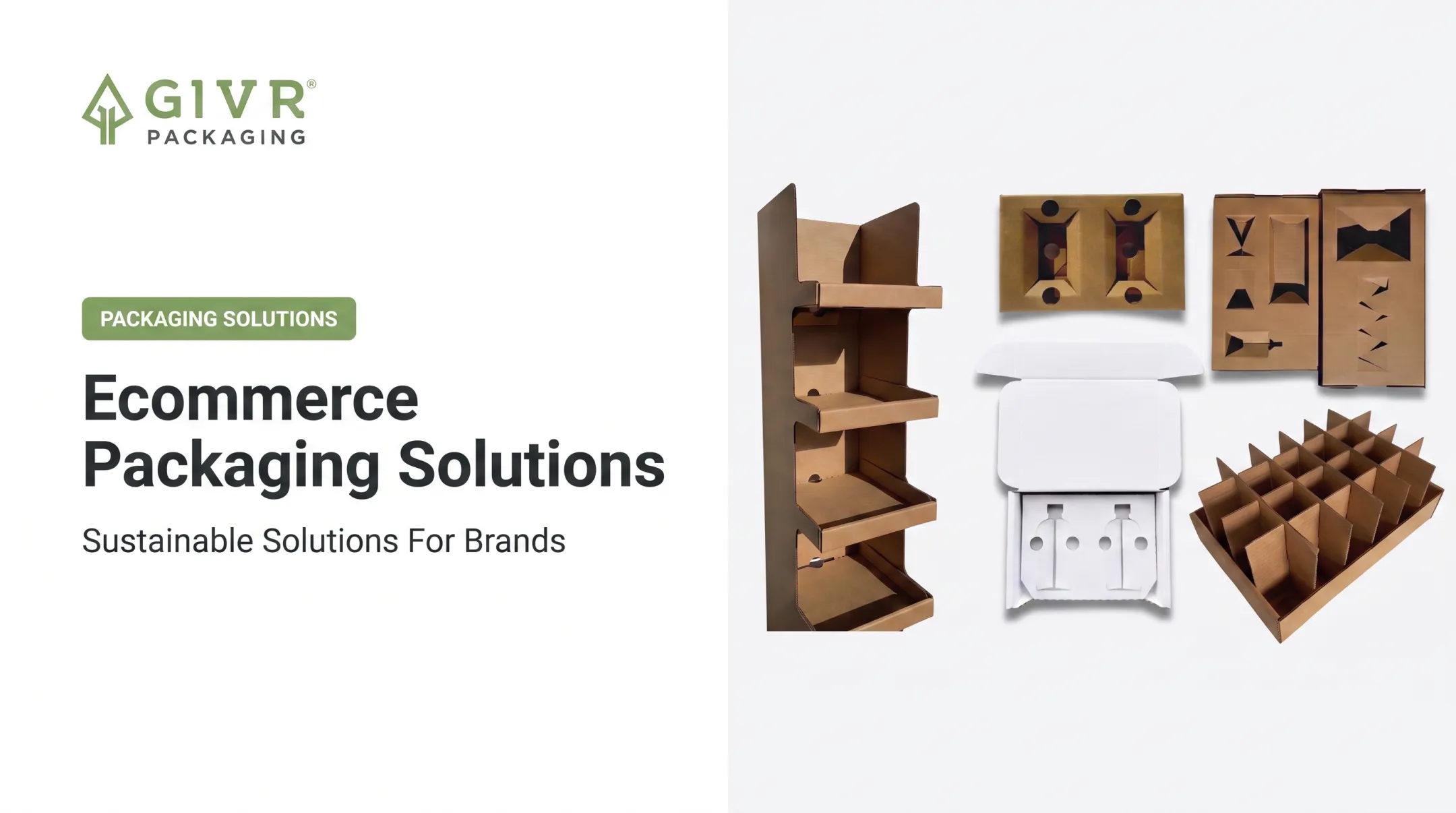
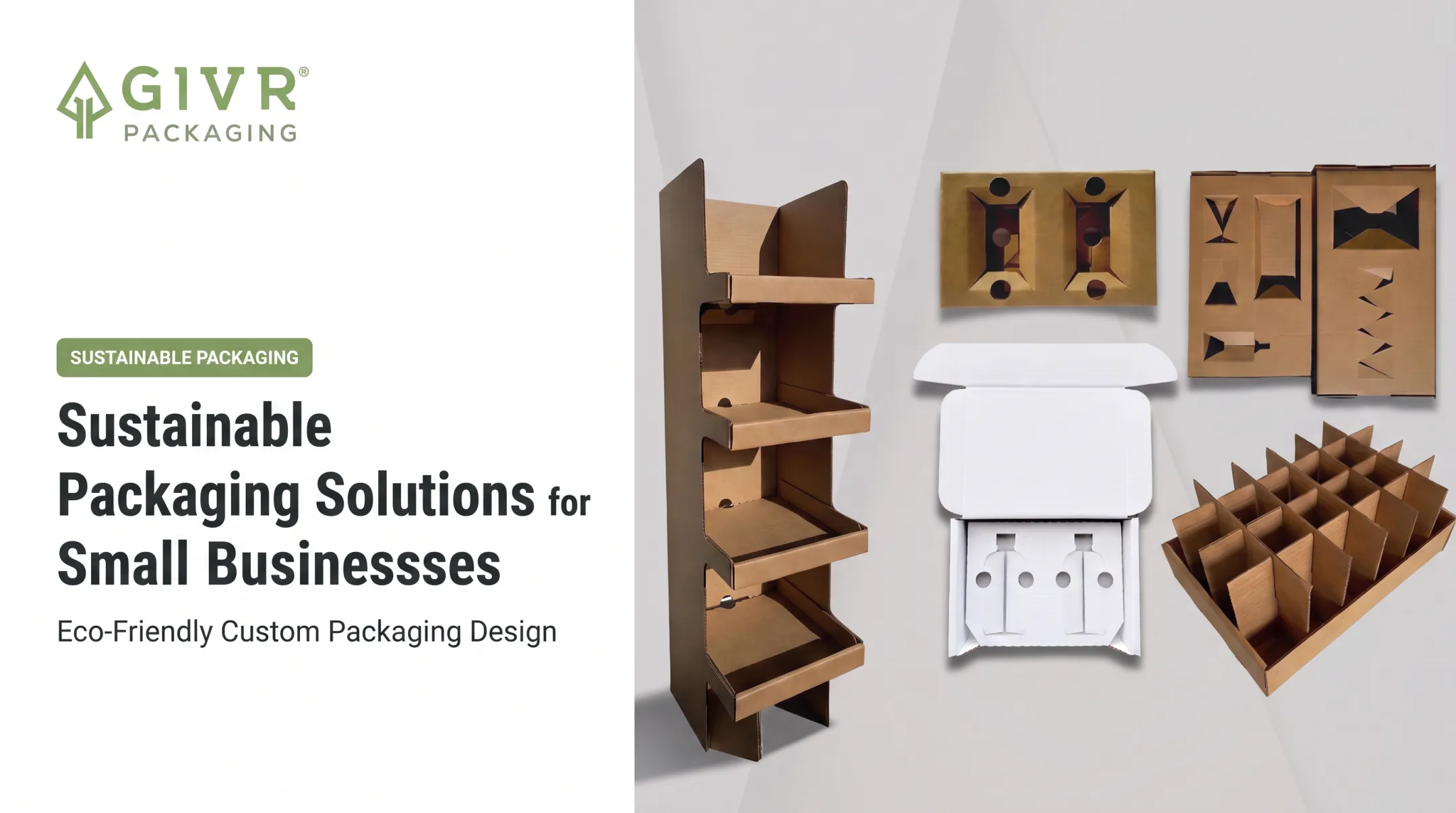
- Full-service capability: design, structural engineering, prepress, and production under one roof
- Structural engineering expertise: not just printing, but actual dieline development and prototyping
- Nationwide distribution: so packaging keeps up as you scale into new markets
GIVR Packaging, based in Melbourne, Florida, works this way. Founded in 2018 by Jeremy Bower, who's built packaging for brands like Google, Chanel, and Hershey's, the company offers custom inserts, mailers, retail-ready cartons, and POP displays across shipping, retail, and beverage channels.
Everything GIVR produces is plastic-free and 100% recyclable, using SFI- or FSC-certified materials. The company states it plants more trees than it uses through partnerships outside the paper industry.
Before committing to a large order, GIVR offers a free packaging audit: a no-obligation review that includes a design consultation, structural assessment, and a prototype kit with up to one revision. It's a low-risk way to test material performance on your actual product before scaling production.
Frequently Asked Questions
What is eco-friendly packaging material?
Eco-friendly packaging material minimizes environmental impact across sourcing, use, and disposal. It typically falls into recyclable, biodegradable, or compostable categories, each with its own end-of-life requirements.
What are examples of eco-friendly packaging materials?
Common examples include recycled paperboard, corrugated cardboard, mushroom (mycelium) packaging, seaweed-based materials, and kraft paper. Each suits different product types and protection needs.
What are some examples of biodegradable packaging materials?
Cornstarch packing peanuts, molded pulp trays, mycelium packaging, and plant-based films all qualify as biodegradable. Breakdown conditions vary by material and environment.
What are some sustainable packaging ideas?
Minimalist design, reusable mailers, recycled-content boxes, and right-sizing packaging all reduce waste. These strategies work alongside material choice, not instead of it.
Where can I get eco-friendly packaging?
Brands can partner with full-service sustainable packaging companies, such as GIVR Packaging, for custom, plastic-free solutions with nationwide US distribution. A free packaging audit is often the easiest starting point.